How to Support a Child with OCD
Obsessive-Compulsive Disorder (OCD) can be an incredibly challenging condition, not only for those who suffer from it but also for their loved ones. When it comes to children, the stakes are even higher as they navigate their formative years. Understanding how to support a child with OCD is crucial for their mental well-being and overall development.
Meet Emily: A Journey of Overcoming OCD
Let's dive into the story of Emily, a bright and bubbly 10-year-old whose life took a turn due to OCD. Emily's name has been changed to protect her privacy, but her journey is one that many families can relate to.
Background: Initial Struggles
Emily was always a happy child, full of curiosity and energy. However, around the age of 8, her parents noticed some unusual behaviors. Emily started washing her hands excessively and repeatedly checking if the doors were locked. These actions soon escalated, affecting her school performance and social interactions.
Her parents were at a loss. They tried to reassure her, but nothing seemed to help. Emily's anxiety levels skyrocketed, and she became withdrawn, avoiding activities she once loved. It was a heart-wrenching time for the family.
Turning Point: Discovering Online Therapy
After numerous consultations with pediatricians and therapists, Emily's parents stumbled upon the concept of online therapy. Skeptical yet hopeful, they decided to give it a try. They found a reputable online counseling service specializing in anxiety treatment and mental health services for children.
The convenience of online therapy was a game-changer. Emily could attend sessions from the comfort of her home, which significantly reduced her anxiety about meeting new people and new environments.
Journey: Progress with Online Therapy
Emily's online therapist was experienced in dealing with childhood OCD. The sessions were interactive and tailored to Emily's needs. Her therapist used various techniques to help Emily understand her triggers and develop coping mechanisms.
Over time, Emily learned how to manage her compulsions and reduce her anxiety. The therapist also involved Emily's parents, providing them with tools and strategies to support their daughter effectively.
- Regular online sessions helped Emily stay consistent with her treatment.
- The flexibility of scheduling allowed her to balance therapy with school and other activities.
- Parental involvement ensured a supportive home environment.
Resolution: A Brighter Future
After several months of dedicated online counseling, Emily showed remarkable improvement. Her compulsions decreased, and her anxiety levels were much more manageable. She started participating in school activities again and even joined a local soccer team.
Emily's parents were relieved and grateful. The transformation was evident not only in Emily's behavior but also in her overall happiness and confidence. Online therapy had given her the tools she needed to reclaim her childhood.
Conclusion
Supporting a child with OCD can be a daunting task, but as Emily's story shows, effective treatment options like online therapy can make a significant difference. The flexibility and accessibility of online counseling provide a valuable resource for families dealing with mental health challenges.
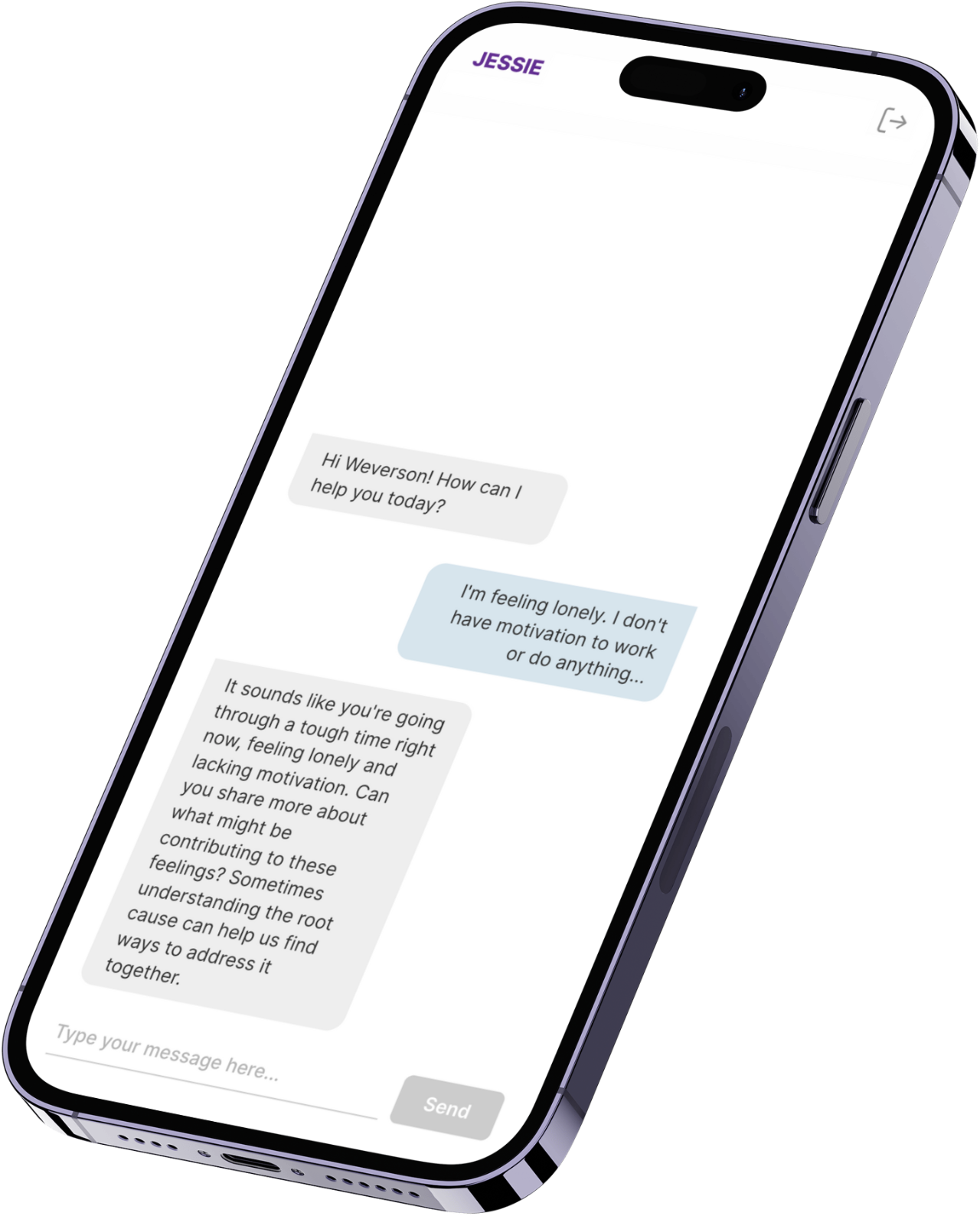
If you have a child struggling with OCD or other mental health issues, consider exploring online therapy options. It could be the turning point your family needs. For more personalized advice and support, don't hesitate to use our AI chat tool, Jessie Therapy Assistant, designed to guide you through your mental health journey.
Remember, you're not alone in this. Help is just a click away.